
Summer in Victoria has finally arrived. However, Summer is also a time when the threat of bushfires looms large, particularly for those living in high-risk areas. The Country Fire Authority (CFA) understands this threat intimately and, in response to Recommendation 44 from the Victorian Bushfires Royal Commission, has developed comprehensive guidelines for “Landscaping for Bushfire“.
This isn’t just about aesthetics; it’s about survival. The type, quantity, and condition of vegetation around your home can significantly impact its vulnerability during a bushfire. The right landscaping choices can enhance the survivability of your property and provide a safer environment for your family.
This article outlines the CFA’s recommended steps to ensure your property is well-prepared for the summer fire danger period, drawing directly from their expert advice on garden design and plant selection.
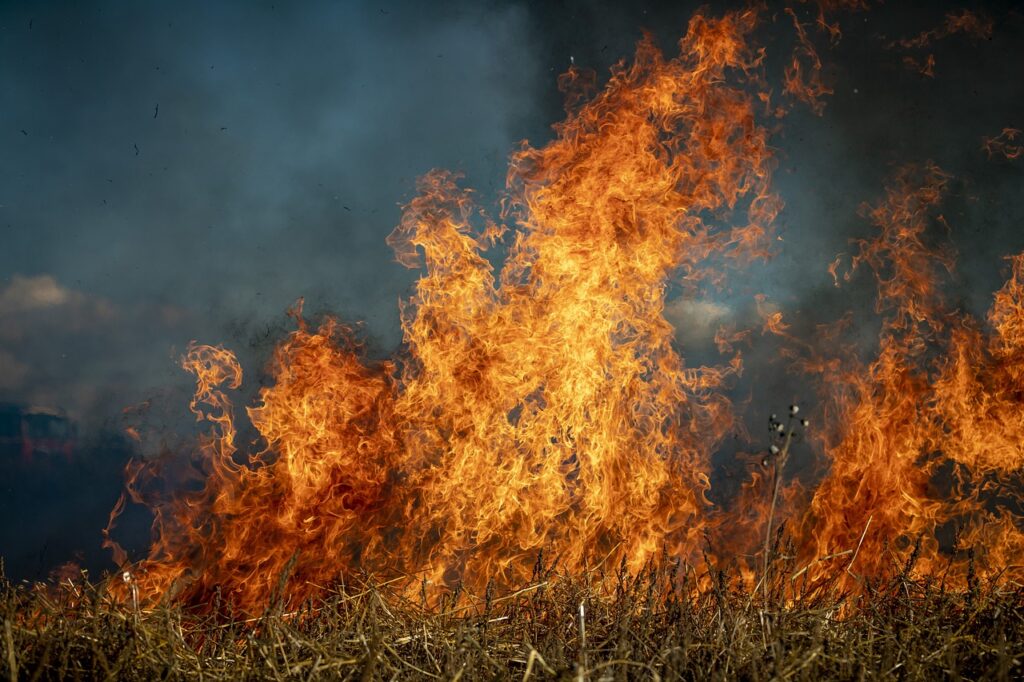
Understand How Bushfire Behaves
Before you even pick up a shovel, it’s crucial to grasp how bushfires operate. Three main factors influence their behavior:
- Topography: Fire travels faster uphill.
- Weather: Hot, dry, and windy conditions are a recipe for disaster.
- Vegetation: Plants are the primary fuel source. The amount, type, and arrangement of vegetation directly impact fire spread.
Bushfires destroy homes through four primary mechanisms:
- Ember Attack: The most common culprit. Burning embers, carried by the wind, can ignite flammable materials around your home.
- Radiant Heat: The intense heat from a fire can ignite materials without direct flame contact, crack windows, and dry out vegetation.
- Direct Flame Contact: Flames directly touching your house can set it ablaze.
- Wind: Strong winds can carry embers, fell trees, and cause structural damage.
Create a Defensible Space with Strategic Zones
This is your property’s primary buffer zone against wildfire. The CFA emphasizes the importance of managing vegetation within this area meticulously.
- Inner Zone (within 10 meters of your home): This is a high-maintenance zone. Flammable objects (plants, mulches, fences) should not be located close to vulnerable parts of the building (windows, decks, eaves). Trees should not overhang the roofline. Grass should be no more than 5cm high. Remove leaf litter regularly. Shrubs should not be planted under trees, plants over 10cm should not be in front of windows. Tree canopy coverage should be no more than 15%.
- Outer Zone (10-30 meters from your home, if applicable): Here, vegetation management is still essential, but less intensive. Grass should be no more than 10cm high. Reduce the density and continuity of vegetation. Tree branches should be pruned up to 2 meters from the ground. Tree canopies can touch with no more than 30% coverage, with few shrubs. Shrubs should be in clumps no more than 10 square metres, spaced at least 10 metres apart.
- Calculating Defendable Space: The 10/30 and 10/50 rules provide a simple basis. However, if you’re building a new home in a Bushfire Management Overlay, a bushfire site assessment will determine specific requirements.
Manage Your Vegetation with Firewise Principles
- Mow Regularly: Keep lawns short throughout the fire season.
- Break Up Fuel Continuity: Separate garden beds with non-flammable materials like gravel paths, pavers, or mown grass. This prevents fire from easily spreading across your garden.
- Vertical Separation: Prune tree branches to at least 2 meters above the ground to prevent “ladder fuels” that can carry fire into the canopy. Keep shrubs away from under trees.
- Choose Firewise Plants: Select plants with low flammability characteristics. The CFA’s Plant Selection Key (available online) is an invaluable tool for this purpose. Look for plants that:
- Have high moisture content (fleshy leaves).
- Are free of oils, waxes, and resins.
- Have an open branching pattern.
- Have smooth bark (avoid stringybark eucalypts).
- Don’t retain dead leaves or twigs.
- Avoid Environmental Weeds: These can contribute to high fuel loads. Consult your local council for a list of problem weeds in your area.
Harden Your Home and its Surroundings
- Ember Protection: Embers are a major threat. Use fine mesh metal screens on vents, and keep roofs and gutters clear of debris.
- Non-Flammable Materials: Use materials like brick, stone, concrete, and metal for landscaping features (paths, retaining walls, etc.). Replace timber fences with non-combustible options in high-risk areas.
- Strategic Placement: Locate sheds, woodpiles, and other flammable items at least 10 meters away from your house.
- Water Features: If possible, incorporate pools or ponds as part of your defendable space, especially on the side facing the most likely direction of a fire.
- Consider Existing Homes: The CFA provides guidelines for retrofitting existing homes to improve their fire resilience. A guide to retrofit your home for better protection from a bushfire is available on the Victorian Building Authority website.
- Water and Access: Ensure you have an adequate water supply for firefighting and that your property is easily accessible by emergency vehicles.
Maintain, Maintain, Maintain
Landscaping for bushfire is not a “set and forget” task. Ongoing maintenance is crucial:
- Regularly remove leaf litter and debris.
- Prune trees and shrubs as needed.
- Keep plants well-hydrated (especially during summer).
- Replace or cover organic mulch with non-flammable options.
- Monitor for and address any plant diseases or pests.
Don’t Wait, Prepare Today!
Wildfire preparedness is a continuous process. By implementing the CFA’s recommendations, you can create a firewise landscape that significantly reduces your property’s vulnerability. Remember that on Extreme and Catastrophic fire danger days, leaving early is always the safest option. Your garden, while important, is just one part of a comprehensive bushfire safety plan.
If you live in a Victorian bushfire prone area and are planning to build, renovate or extend your property, make sure you get in touch with Surf Coast BAL Reports to discuss the requirements for a site-assessment and BAL Report for your building permit application.
For more detailed information, including the CFA’s Plant Selection Key and resources on creating a Bushfire Survival Plan, visit cfa.vic.gov.au.
Disclaimer: This article is based on information from the CFA’s “Landscaping for Bushfire” publication. Always consult the CFA website and your local council for the most up-to-date guidelines and regulations. The CFA does not accept responsibility for how you apply or rely on the information in this publication. If you have any uncertainty about the application of the information to your particular circumstance, you should obtain further professional advice.