
Along the Victorian Surf Coast, and throughout many non-metropolitan areas across the state, safeguarding homes and structures against potential fire hazards is of paramount importance. The Bushfire Attack Level (BAL) report plays a crucial role in this endeavor. It classifies properties into different BAL ratings based on the potential risk they face during a bushfire.
In this article, we’ll delve into the different BAL ratings and their significance in determining the level of protection required for properties. Please contact a team member at Surf Coast BAL Reports if you have any further questions about the BAL levels after reading this article.
Understanding Bushfire Attack Level (BAL)
The Bushfire Attack Level (BAL) system is a component of Australian Standard AS3959, which outlines construction requirements for buildings located in bushfire-prone areas. The system categorizes properties into six different levels, each representing a specific level of potential risk from ember attack, radiant heat, and direct flame contact.
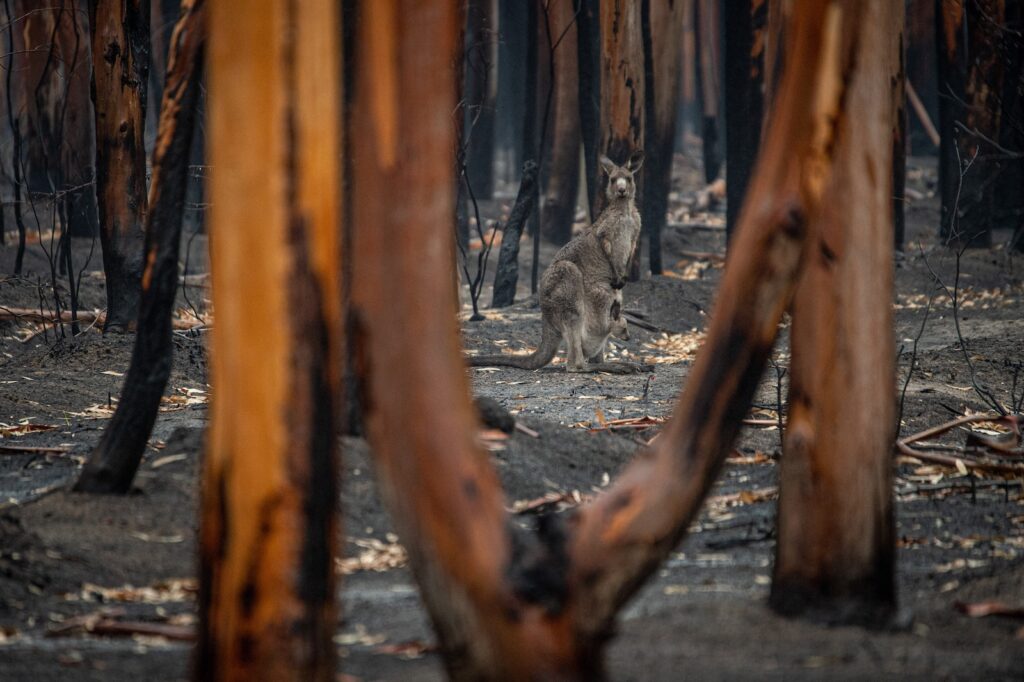
BAL ratings and what they mean:
BAL-LOW:
The radiant heat exposure is considered to be insignificant at this level. Properties with this rating are deemed to have low risk, as they are relatively distant from bushfire-prone areas classified vegetation. While some precautions are recommended, there’s a minimal likelihood of ember attack, radiant heat, or direct flame contact. The following note is taken directly from AS3959 and should be taken into consideration:
NOTE: Although there are no specific construction requirements in the BAL designated as LOW, this does not imply these buildings are not at risk.”
BAL-12.5:
The radiant heat exposure at this level is between 0 and 12.5kW/m2. Similar to BAL-Low, properties with this rating have limited risk of radiant heat with ember attack being the primary concern. Some precautions, such as sealing gaps and using non-combustible materials, are suggested to prevent ember entry.
BAL-19:
The radiant heat exposure at this level is between 12.5 and 19kW/m2. For properties in moderate risk zones, a BAL-19 rating indicates a moderate level of potential risk. Increased ember attack and radiant heat are anticipated, leading to requirements for more comprehensive protection measures. There is an increased risk from burning debris at this level.
BAL-29:
The radiant heat exposure at this level is between 19 to 29kW/m2. Properties classified as BAL-29 are in high-risk areas. The risk from radiant heat and ember attack are significantly elevated compared to the lower BAL levels. Structures in this category must incorporate robust protection measures, including ember screens and fire-resistant materials.
BAL-40:
The radiant heat exposure at this level is between 29 to 40kW/m2. This rating signifies very high risk. Properties with a BAL-40 rating are exposed to intense radiant heat and ember attack. Some exposure to direct flame contact is also possible at this level. As a result, stringent protective measures, such as reinforced windows and fire-resistant external cladding, are mandated.
BAL-FZ (Flame Zone):
The radiant heat exposure at this level is above 40kW/m2 and direct exposure to flames from the fire front is considered likely. The highest level of risk is denoted by BAL-FZ with properties in this zone facing extreme risk from potential flame contact during a bushfire. Extreme protection measures are essential and non-negotiable when designing and obtaining a building permit.
Choosing the Right Protection Measures
The BAL rating assigned to a property plays a pivotal role in determining the appropriate protection measures. Property owners and builders must adhere to the construction requirements outlined for the specific BAL rating to ensure the safety and resilience of the structure during a bushfire event.
A team member from Surf Coast BAL Reports can assist you in accurately assessing the BAL rating of your property. Their experience ensures that the property’s location, terrain, vegetation and local conditions are all taken into consideration, resulting in an appropriate rating that guides the selection of suitable protection measures.

In Summary
The Bushfire Attack Level BAL assessment report serves as a vital guideline for property owners and builders in bushfire-prone areas. The different BAL ratings indicate varying levels of potential risk from bushfires, ranging from low to extreme. Understanding the significance of each BAL rating is essential for implementing the appropriate protection measures to safeguard lives and property.
By grasping the nuances of BAL ratings and seeking assistance from an experienced BAL assessor, property owners can make informed decisions, fortify their structures against potential fire threats, and contribute to building safer communities in bushfire-prone regions along the Surf Coast.
You may also find interesting: When is a BAL Report Required in Victoria?